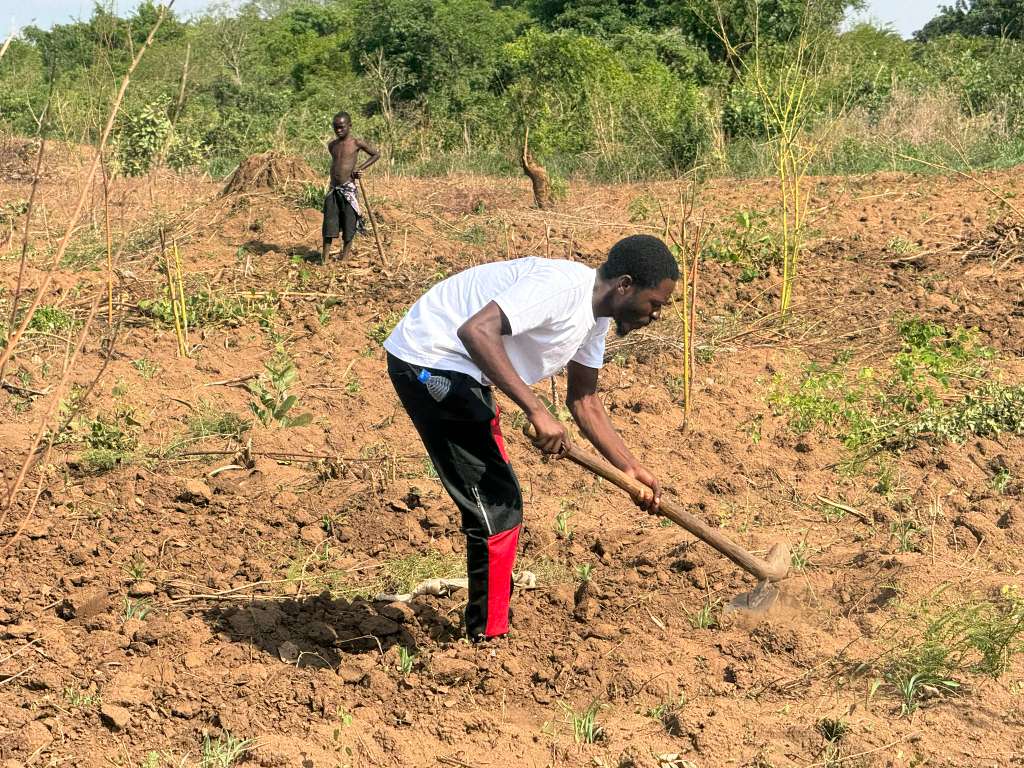
Permaculture Site Development Plan.

Our programs

Site Assessment and Permaculture
Design

We work alongside communities to grow food, share practical skills, restore land and keep decisions in local hands.

04connected
program areas
Community-ledPriorities begin with local voices
PracticalLearning happens in fields and workshops
Food Forest and AgroforestryEstablish a diverse system including appropriate; fruit trees, indigenous trees etc.
Built to lastKnowledge remains in the community

What we focus on

Programs shaped
with communities.

Each program starts by listening. Together, we turn local priorities into practical work that strengthens livelihoods, knowledge and the landscapes people depend on.

Listen first.
Build together.

Permaculture is more than a growing technique. It connects soil, water, food, knowledge and people.

Listen

Communities define the needs, assets and outcomes that matter locally.

Design

We shape a practical response around local knowledge and permaculture ethics.

Work

Participants learn by doing, from preparing beds to facilitating workshops.

Stay accountable

We review results, share learning and adapt alongside community partners.

Different entry points.
One connected system.

Food, education, agency and environmental care reinforce one another.

Regenerative Agriculture in Chantulo01

.

Microclimates

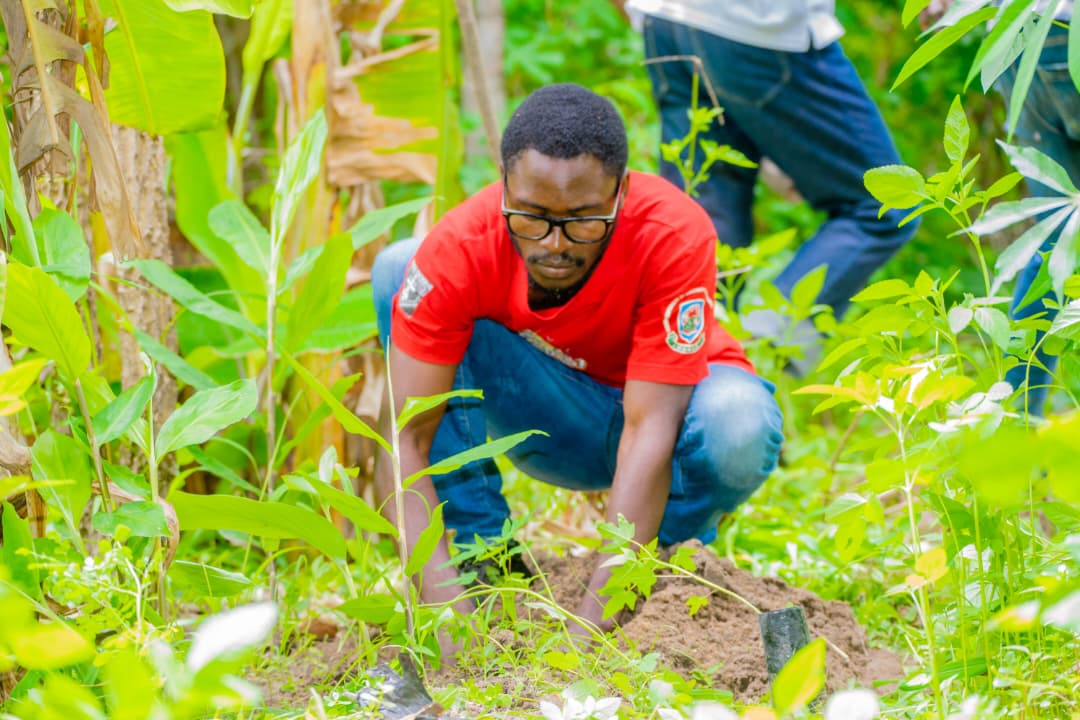
Trees, windbreaks and mulch create cooler, moister pockets on the land. Crops grow better in that shelter, and our demonstration site shows farmers how to design it.
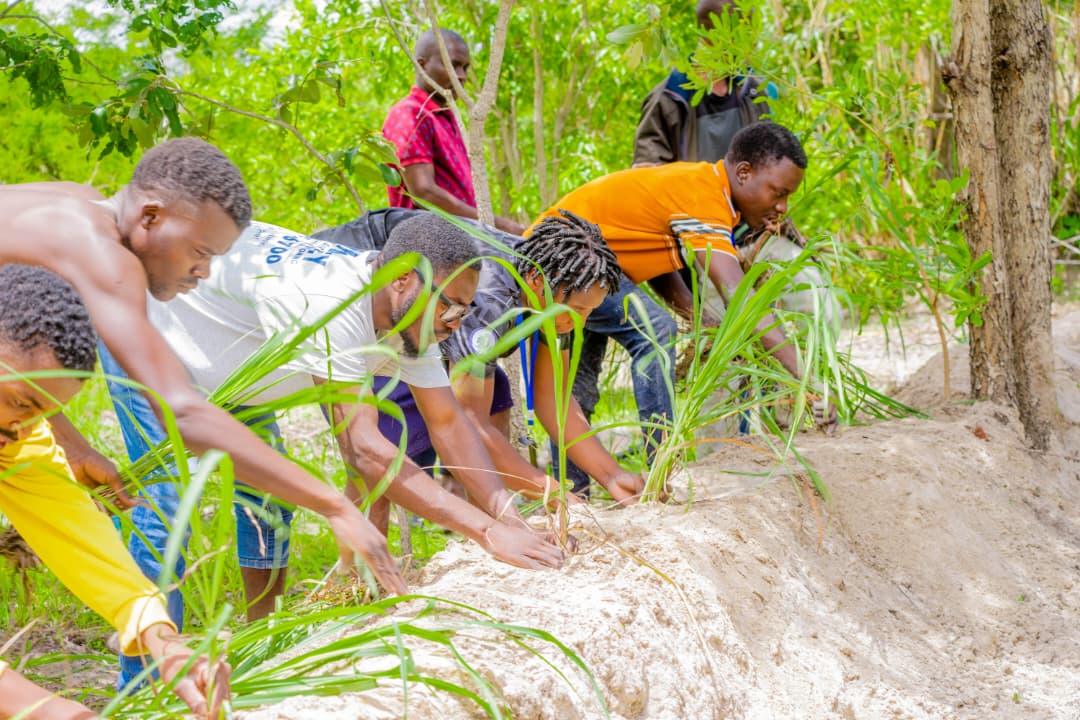
  • Establish community food gardens and demonstration plots
  • Train growers in compost, mulch, and water-wise design
  • Keep seed and harvest decisions in local hands
Explore the program →
Education for Sustainability in Chantulo02

.

Resilience

Diverse crops, healthy soil and reliable water mean a family can get through a dry spell or a flood and recover quickly. Training and village savings groups make that strength shared.

  • Build a solar-powered water system with storage and drip irrigation, so the site can grow food through the dry season.
  • Plant 1,000 or more trees and raise 3,000 to 5,000 seedlings in the nursery.
  • Support 50 households to set up demonstration gardens with diverse crops.
  • Train 120 men and women and at least 30 young people every year.
Explore the program →
Children first03

.

Nutrition

Household gardens, diverse crops and a feeding home for malnourished children.
  • Nutritious meals for the malnourished children, 5 days a week.
  • Food grown on our own land, so the home can keep going
  • Nutrition and cooking lessons for mothers and caregivers
  • Household gardens so families can keep feeding children well at home
Explore the program →
Environmental Stewardship in Chantulo04

.

Mitigation

Care for soil, water, and habitat so communities and ecosystems can thrive together.
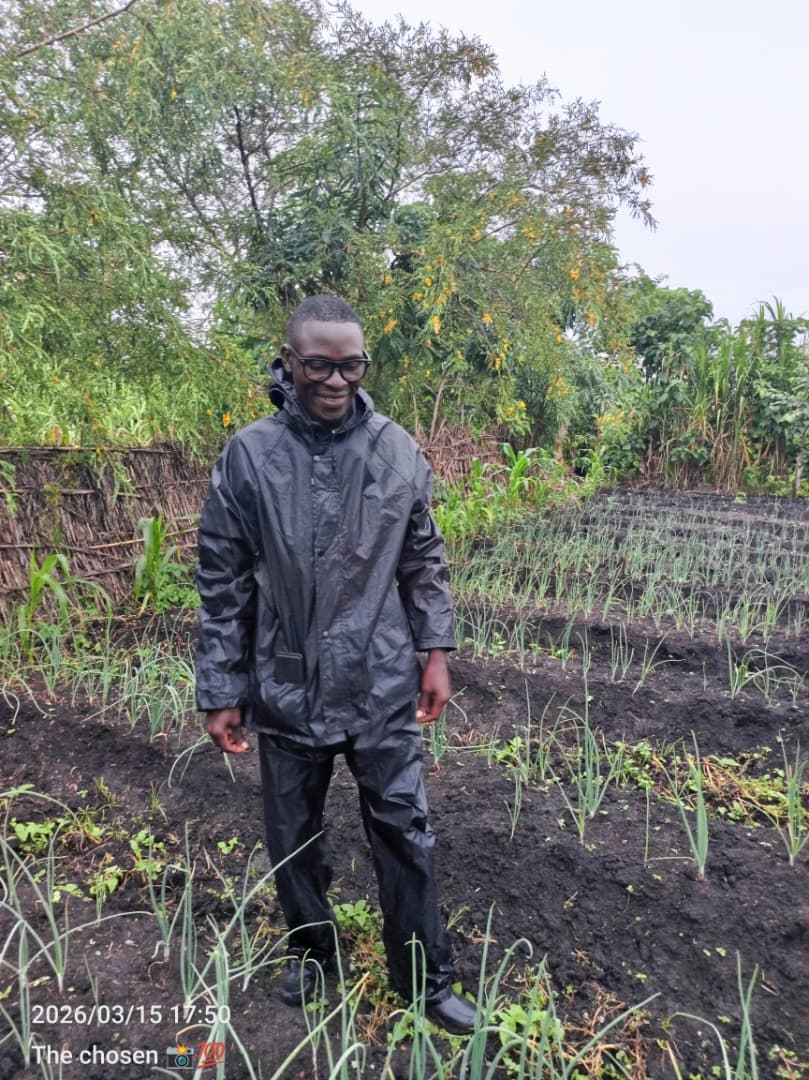
  • Rehabilitate degraded plots with living cover
  • Protect water sources used by households and gardens
  • Measure success in resilience, not only yield
Explore the program →
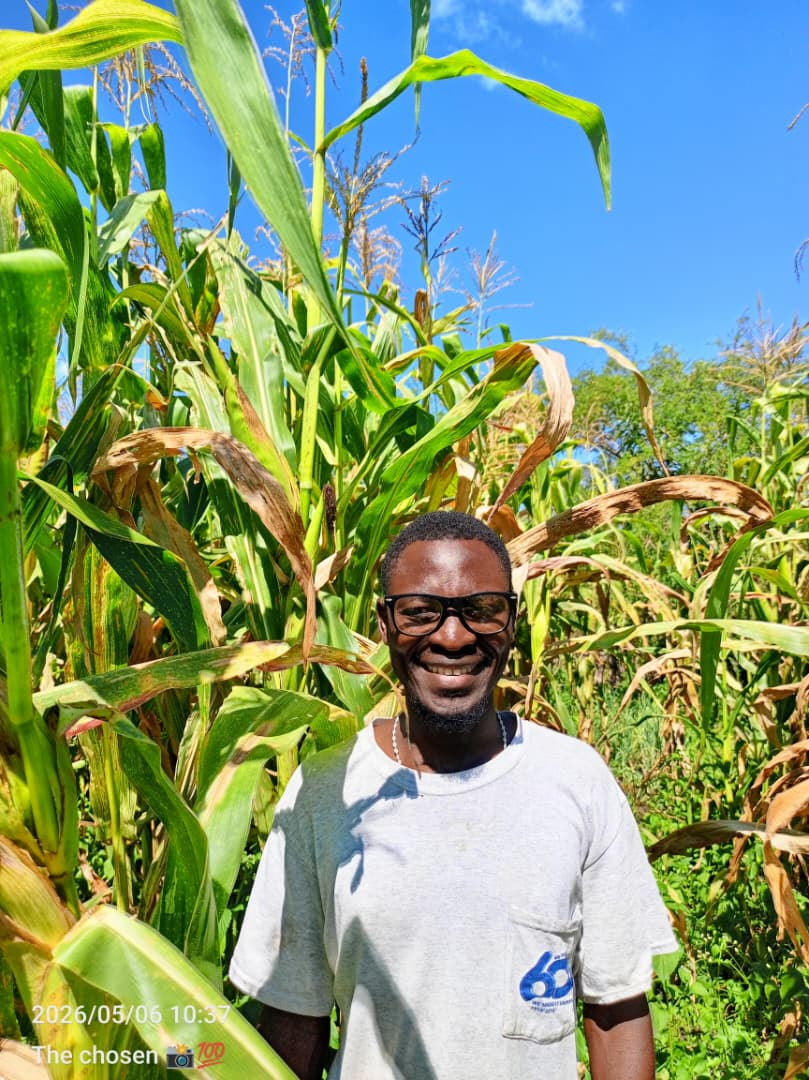
Grower in a community garden
Community agriculture work
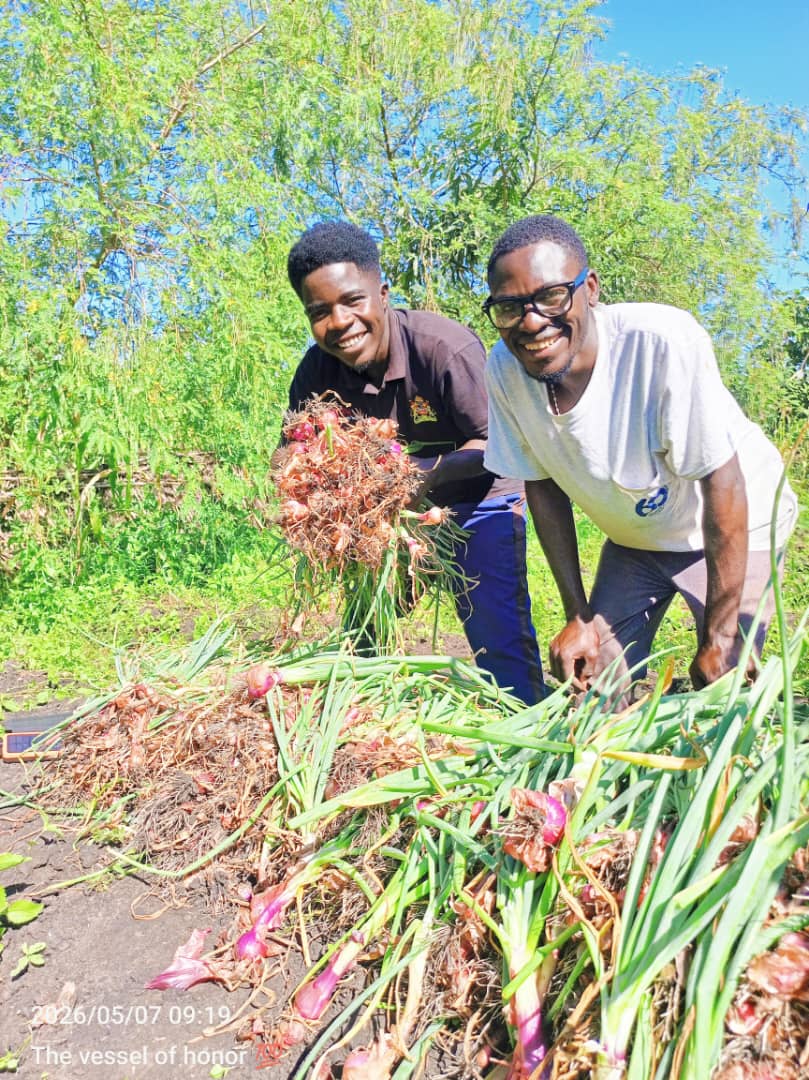
Onion harvest

Resources should reach
the people too often left out.

We prioritize underserved rural villages, urban communities, indigenous populations and refugee settlements.

See stories from the field

Work with us

Good ideas grow
when we work together.

Start a conversation